Phosphates in wastewater, primarily originating from agricultural runoff, industrial discharges, and domestic sewage, pose significant environmental risks if left untreated. Elevated phosphate levels can trigger eutrophication in water bodies, leading to algal blooms, oxygen depletion, and the disruption of aquatic ecosystems. Effectively removing phosphates is thus critical for maintaining water quality and complying with environmental regulations.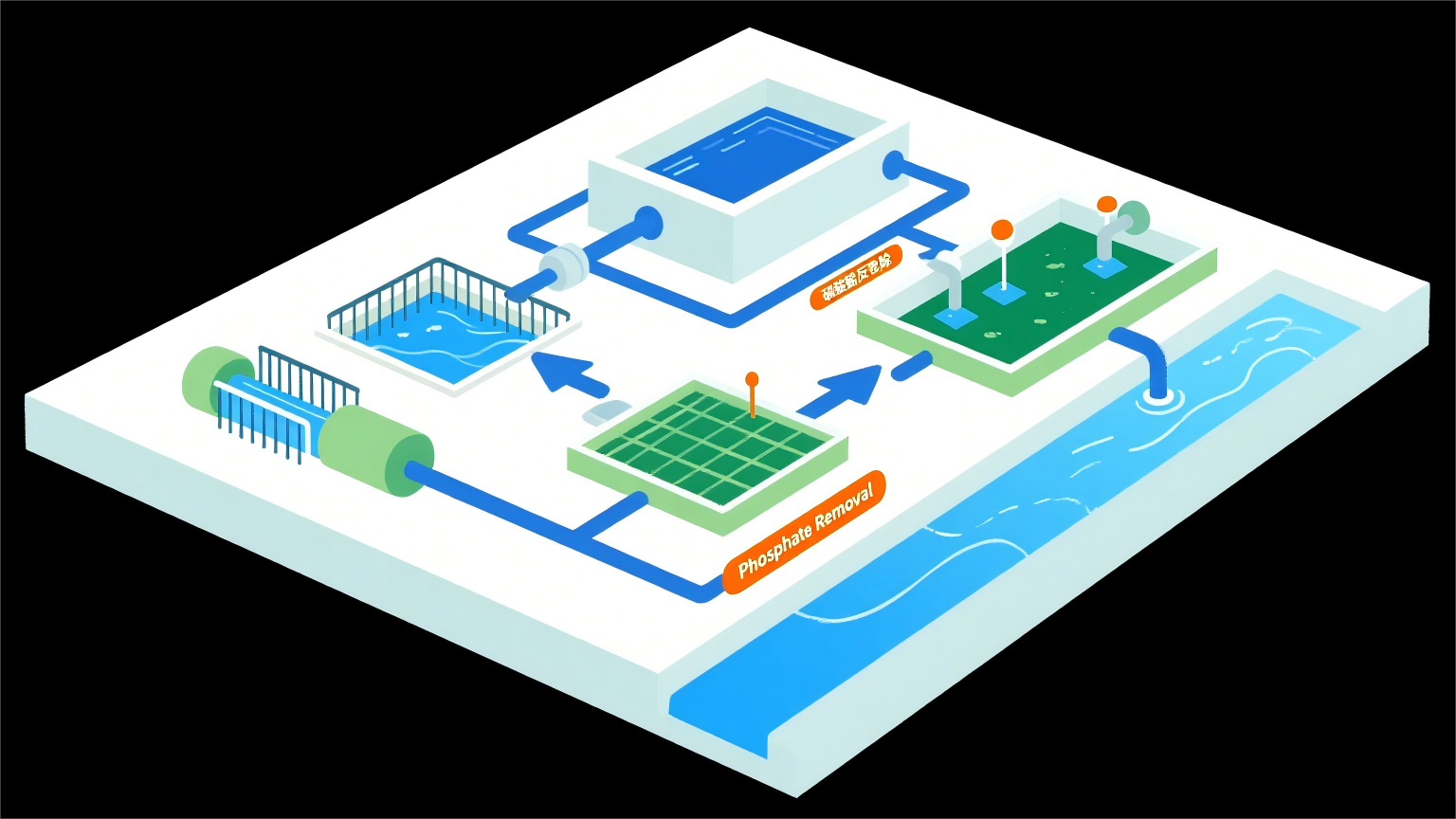
1. Chemical Precipitation
Chemical precipitation remains one of the most widely used methods for phosphate removal. It involves adding metal salts—such as aluminum sulfate (alum), ferric chloride, or calcium hydroxide—to wastewater. These chemicals react with phosphate ions to form insoluble metal phosphate compounds, which then settle out as sludge. For instance, aluminum sulfate reacts with phosphate to produce aluminum phosphate (AlPO₄), a stable precipitate. The process is efficient, cost-effective, and works well across a range of pH levels, making it suitable for both industrial and municipal wastewater treatment.
Biological processes utilize microorganisms to absorb and convert phosphates into biomass. Enhanced Biological Phosphorus Removal (EBPR) is a commonly employed technique in wastewater treatment plants. In EBPR systems, bacteria undergo alternating anaerobic and aerobic phases: under anaerobic conditions, they release stored phosphates, and in aerobic environments, they take up phosphate from the wastewater in excess, accumulating it within their cells. The phosphate-rich biomass is then removed as sludge, reducing overall phosphate levels. This method is environmentally friendly and integrates well with other biological treatment steps, though it requires careful control of operational parameters like dissolved oxygen and sludge retention time.
3. Adsorption
Adsorption relies on materials with high affinity for phosphates to bind and remove them from wastewater. Common adsorbents include activated alumina, iron oxide-coated sand, and biochar. These materials have porous structures or reactive surfaces that attract phosphate ions through chemical or physical interactions. Adsorption is particularly effective for low phosphate concentrations and can be tailored by selecting adsorbents with specific properties. Additionally, some adsorbents can be regenerated and reused, improving the process’s sustainability.
4. Membrane Filtration
Membrane technologies, such as nanofiltration and reverse osmosis, separate phosphates from wastewater using semipermeable membranes. These membranes block phosphate ions while allowing water and other small molecules to pass through. Membrane filtration is highly efficient and produces high-quality effluent, but it can be energy-intensive and requires regular maintenance to prevent membrane fouling by suspended solids or organic matter.
5. Integrated Approaches
In practice, wastewater treatment often combines multiple methods to optimize phosphate removal. For example, chemical precipitation may be used as a primary step to reduce high phosphate loads, followed by biological treatment to polish the effluent. This integrated approach balances efficiency, cost, and environmental impact, ensuring compliance with stringent discharge standards.
Effective phosphate treatment is essential for protecting aquatic ecosystems and public health. By selecting appropriate technologies based on wastewater composition, phosphate concentration, and regulatory requirements, industries and municipalities can achieve sustainable and efficient phosphate removal.


